


Fire routes play a critical role in ensuring the safety of both property occupants and emergency responders. Adhering to fire route regulations, particularly concerning parking restrictions, signage, and compliance with Ontario Building Code standards, is imperative.
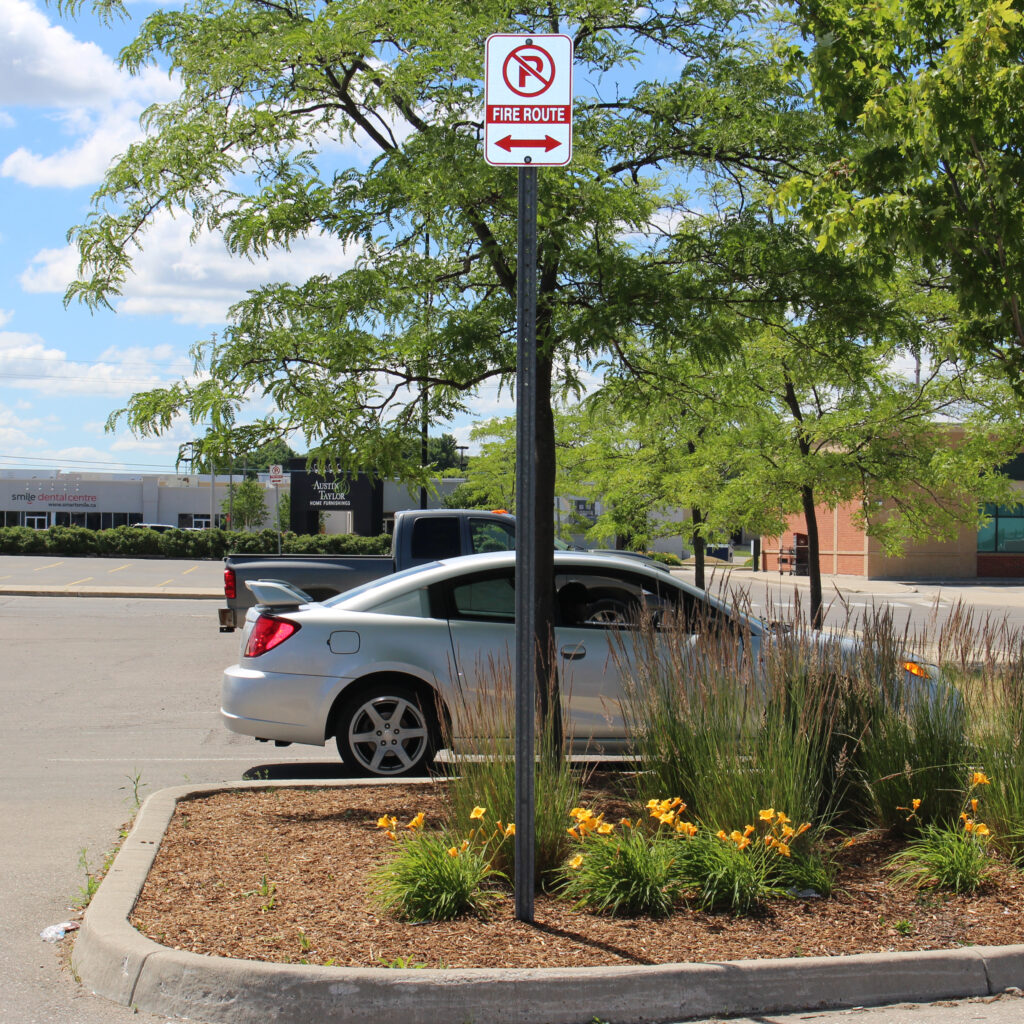

Understanding Fire Routes:
Properties designate fire routes as lanes or areas that provide essential access for emergency vehicles such as fire trucks. Parked vehicles and other obstructions can impede the swift response of emergency crews during critical situations. Therefore, it is necessary to always maintain clear access to fire routes.
Fire Route Regulatory Requirements:
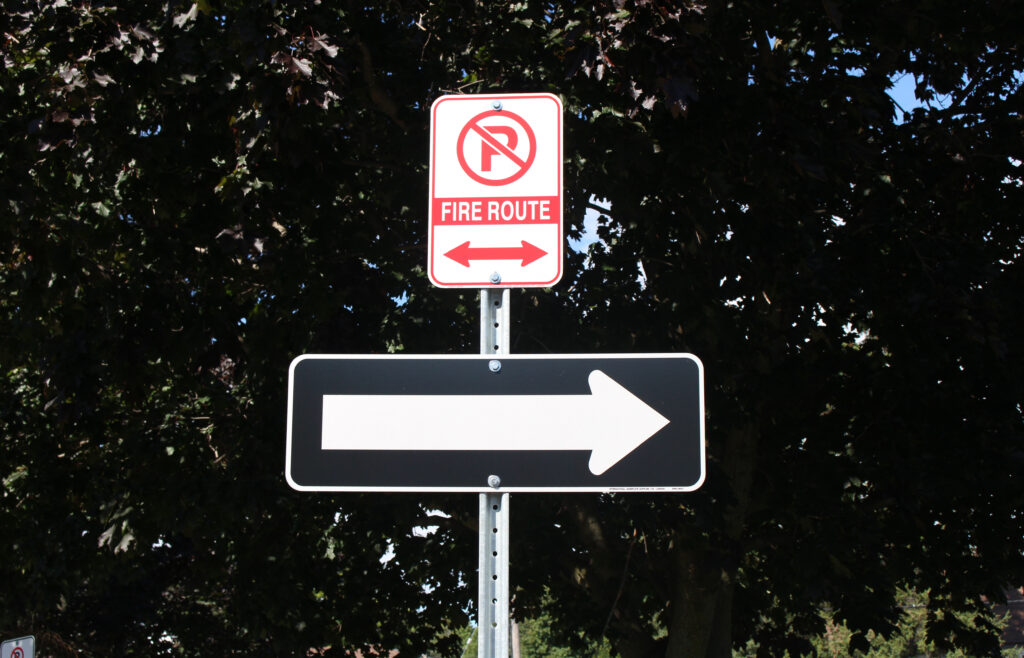
The Ontario Building Code mandates fire routes to ensure proper access for emergency vehicles. Authorities establish the location of fire route signs to guide compliance and enforcement efforts. Once authorities designate a fire route, they communicate it to the Parking Enforcement Office, which responds to complaints regarding vehicles parked in fire routes.
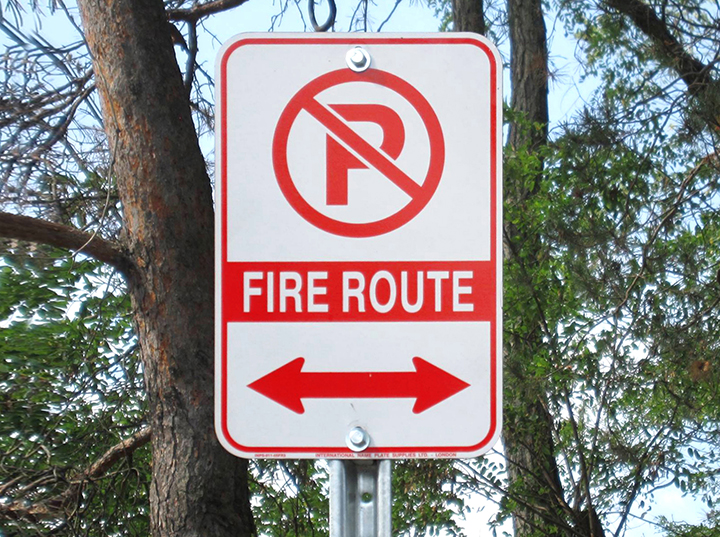
Fire Route No Parking Policy:
Authorities strictly prohibit parking in fire routes or near fire hydrants. These areas must remain clear to facilitate emergency access, and vehicles should not be left unattended in fire route zones. Additionally, parking is not permitted in front of fire hydrants or within two meters on either side, ensuring unobstructed access for firefighting operations.
Fire Route Compliance and Safety Measures:
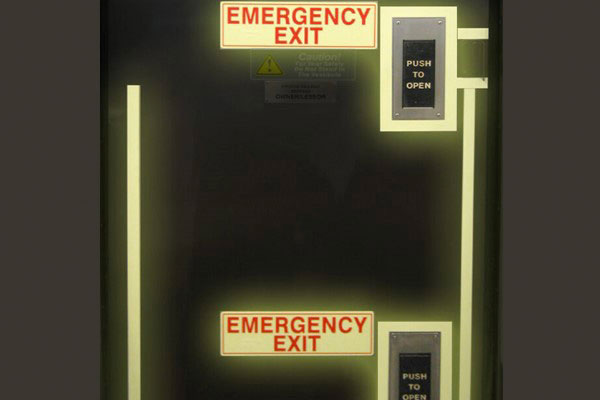
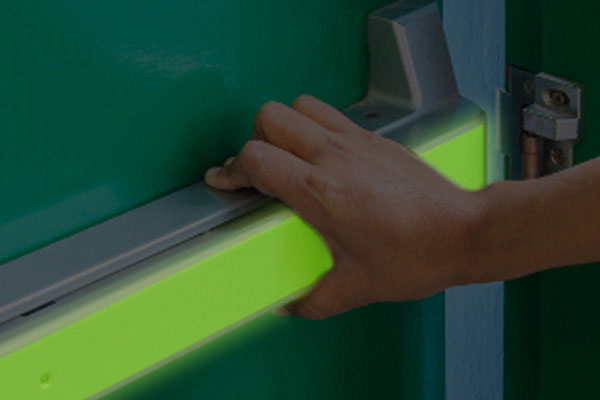
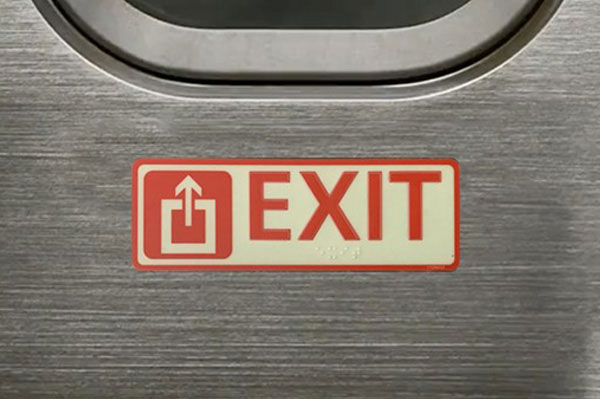
Compliance with fire route regulations is essential for the safety of all occupants and emergency responders. Companies like INPS specialize in making facilities safer and fully compliant with regulatory standards. Reflective materials are available for fire route signage to enhance visibility and compliance, further promoting safety within parking facilities.
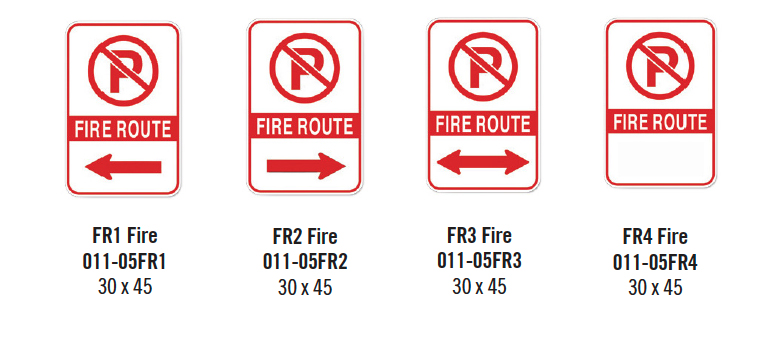
By understanding the importance of clear access to fire routes and complying with parking restrictions, property owners can contribute to a safer environment for everyone. Partnering with experts like INPS can ensure that parking facilities are fully compliant and equipped with the necessary safety measures to protect lives and property.
INPS’s Traffic Division offers expertise to enhance visibility and improve safety in parking lots, city streets, construction zones, and highways. INPS works closely with the Transportation Safety Division at 3M to help give motorists the visual cues they need to improve safety.
For inquiries about fire route compliance and safety solutions, contact INPS at info@inps.net or call 1.800.565.3509
